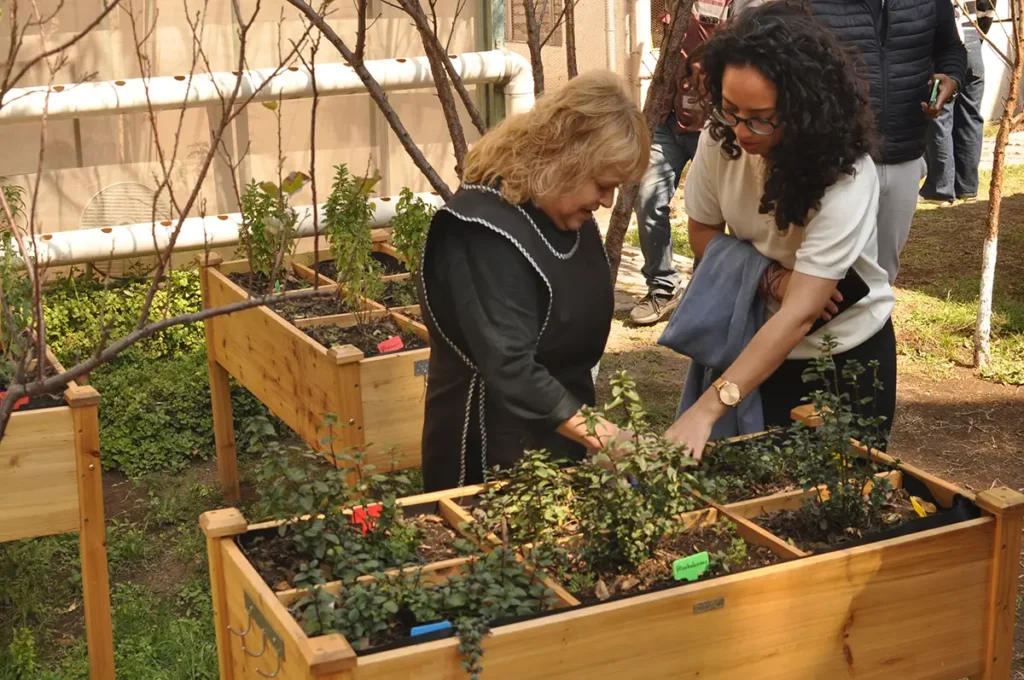
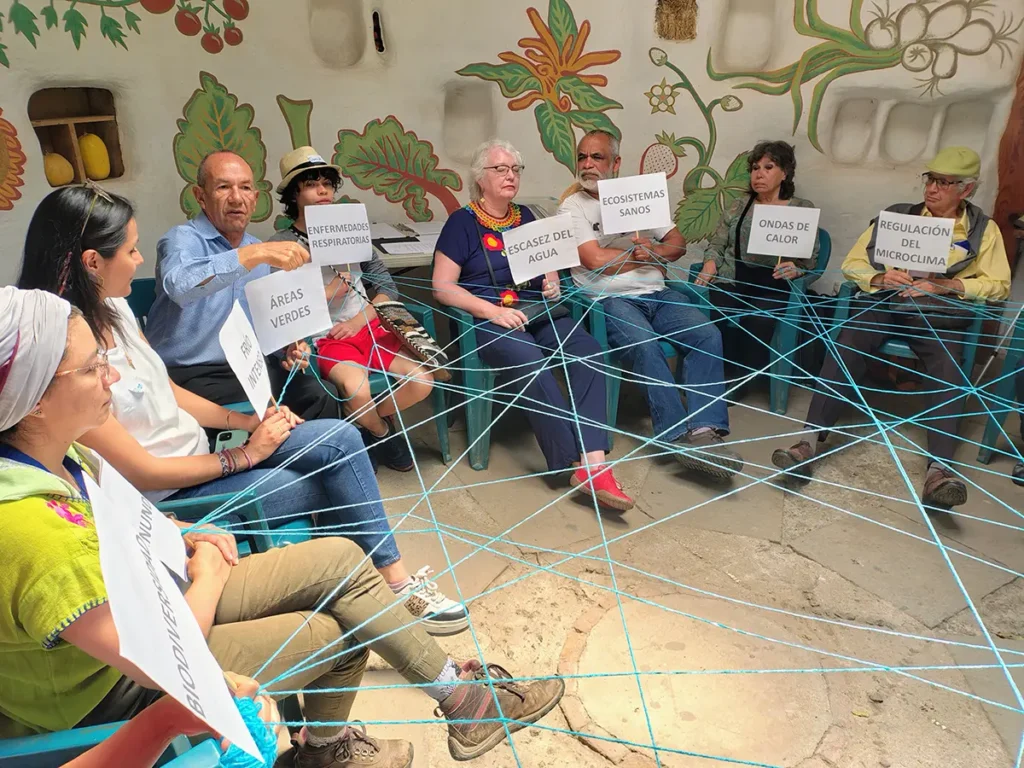
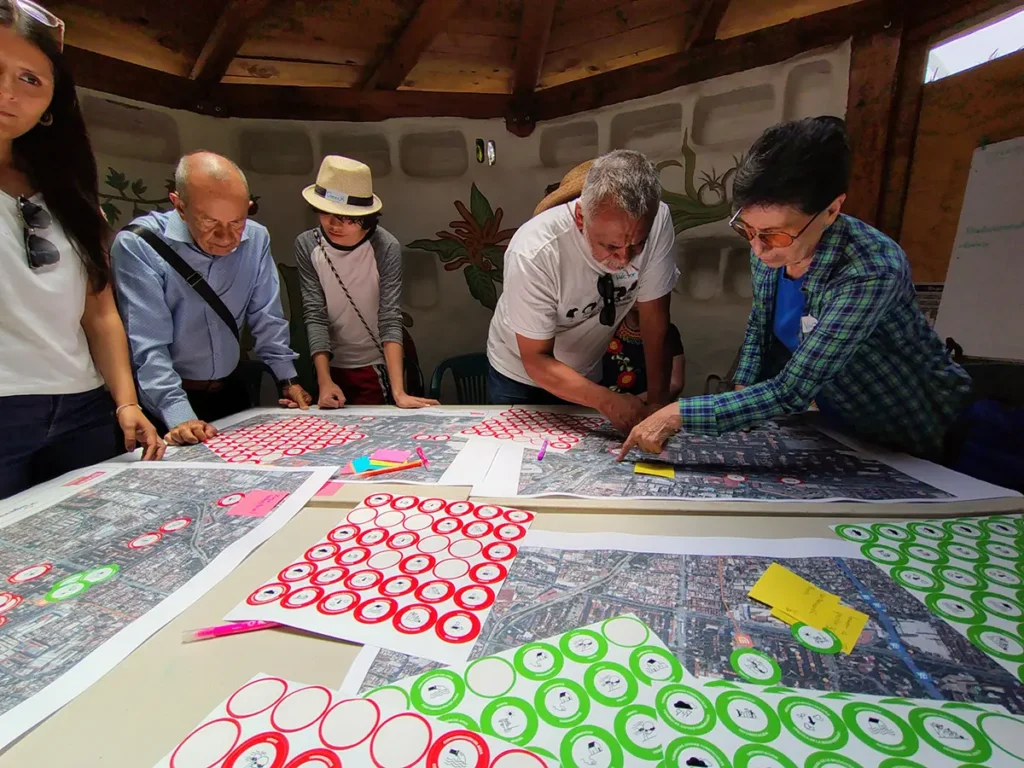
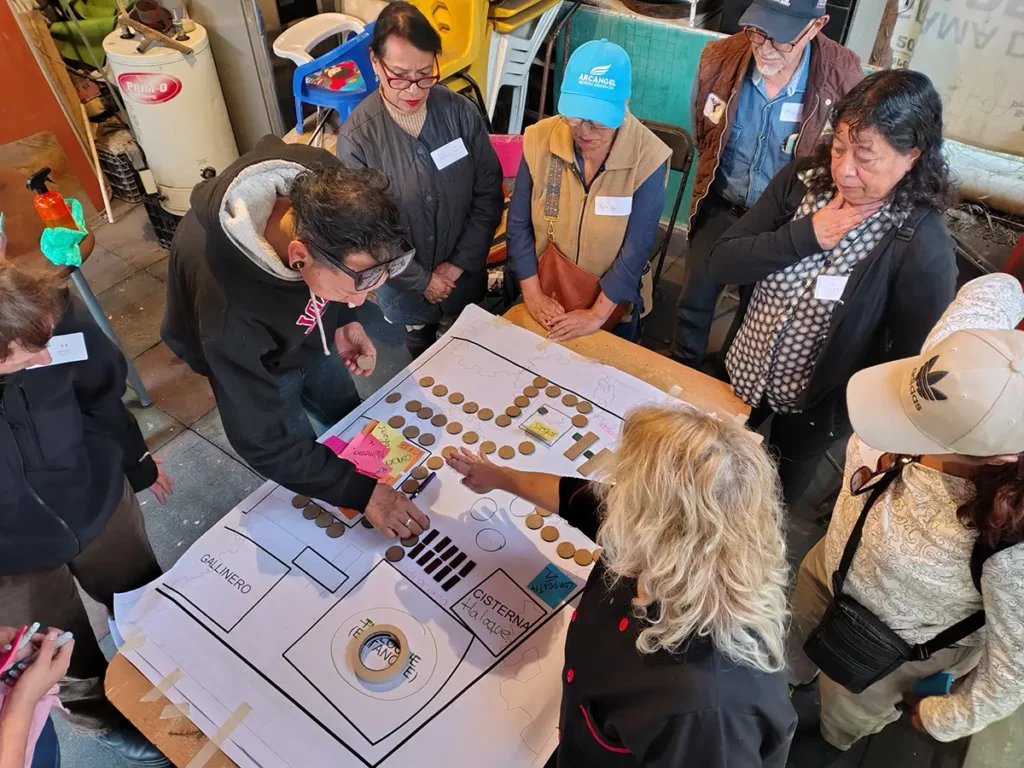
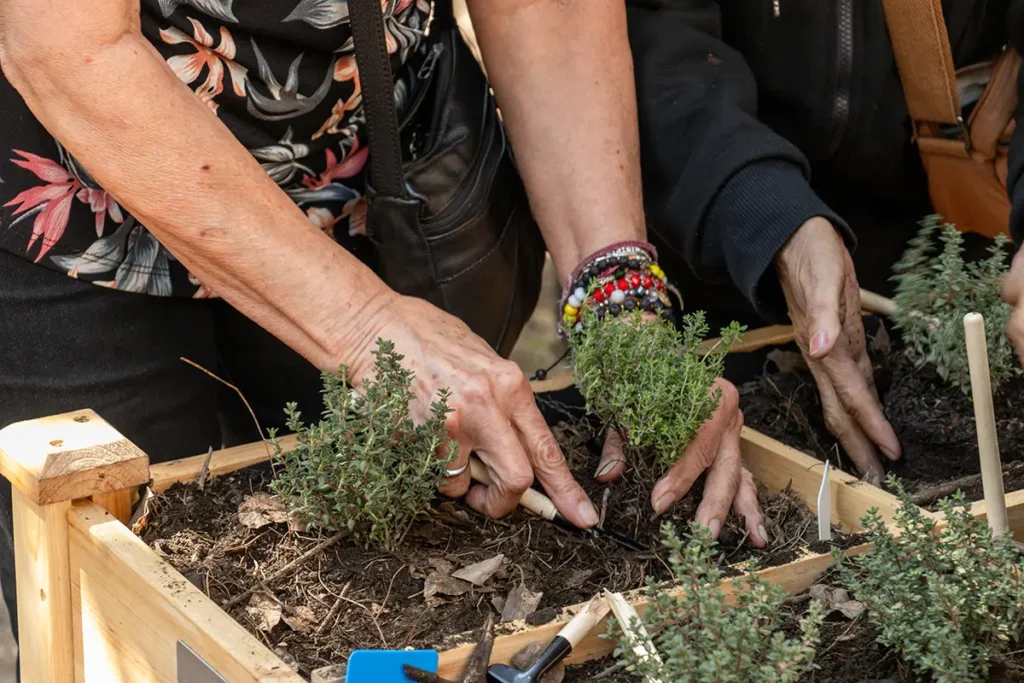
Nuevos Horizontes is an age-friendly urban garden developed in northeastern Mexico City through a participatory process led by older community members seeking to transform an underused backyard into a productive and inclusive public space. The project combines ecosystem-based adaptation strategies with age-friendly urban design to strengthen climate resilience, community wellbeing, and social participation.
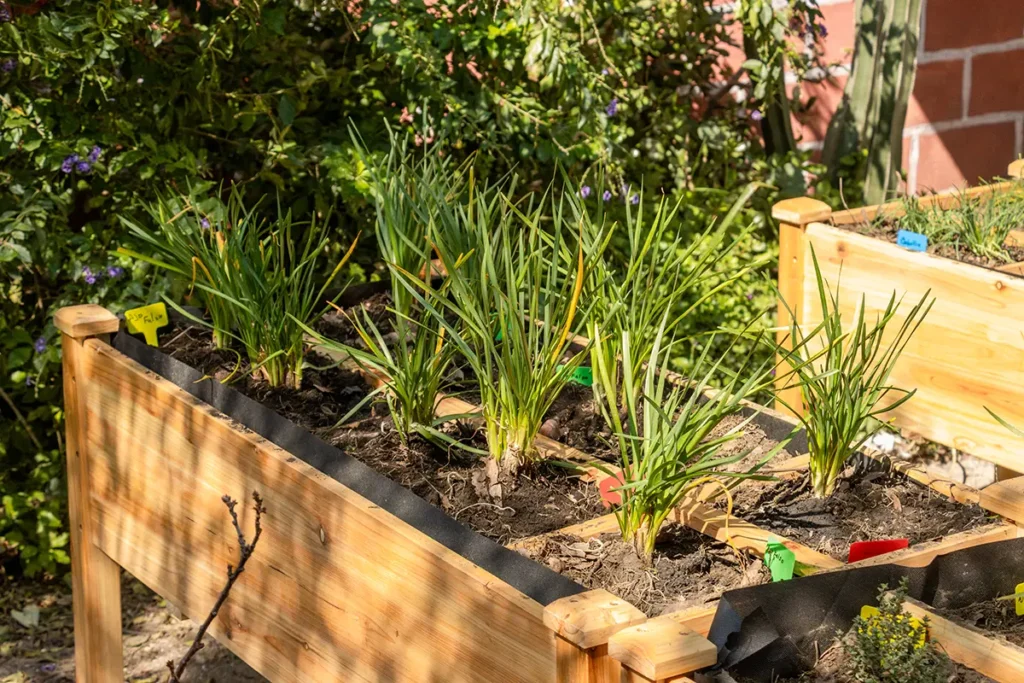
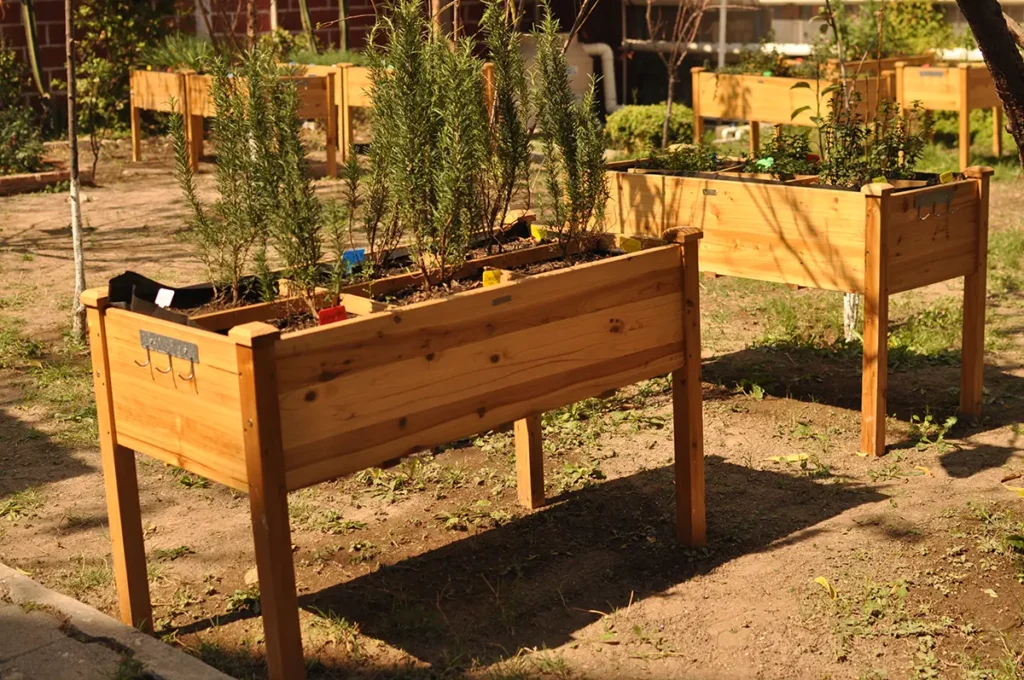
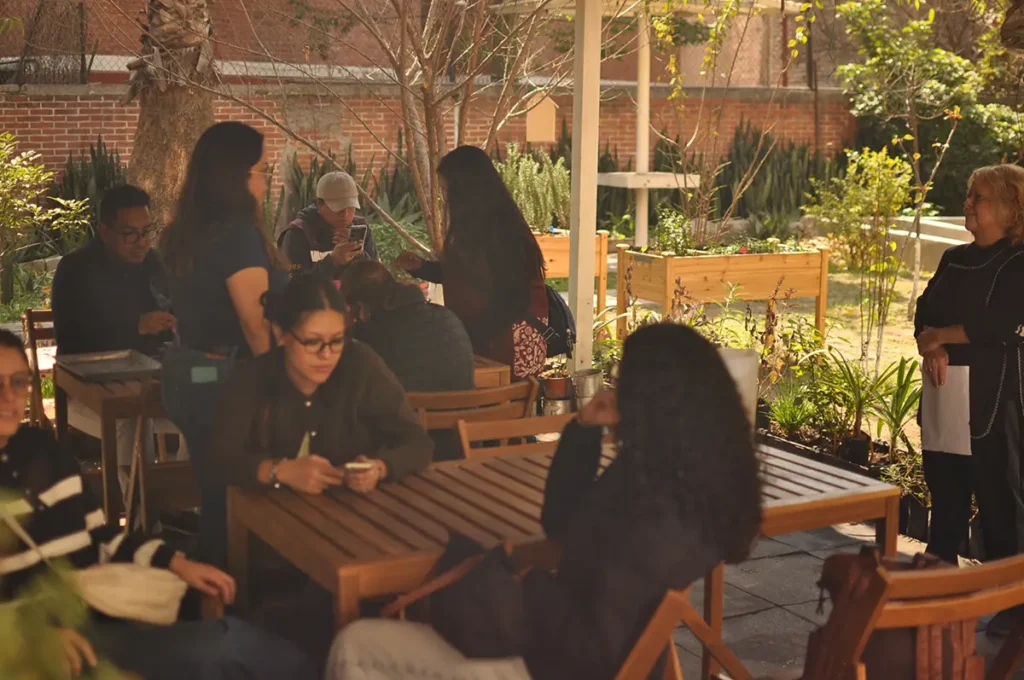
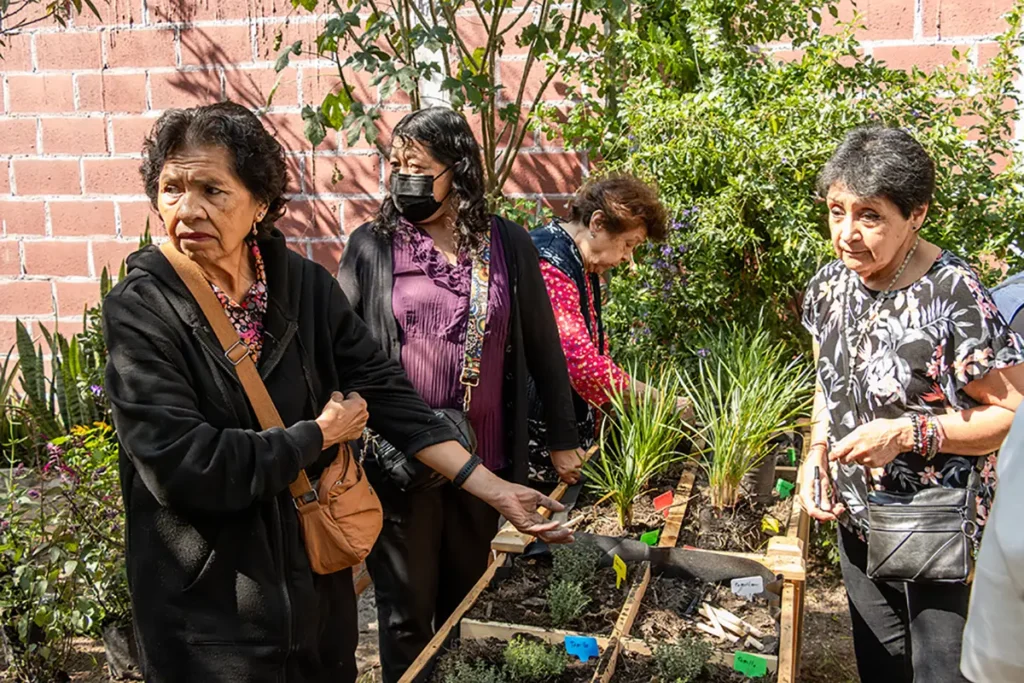
Developed through climate risk assessments, co-design workshops, and community training sessions, the initiative positioned older people as active participants in decision-making and long-term stewardship. The resulting intervention integrates raised planting beds, pollinator gardens, hydroponic systems, composting areas, recreational spaces, and shaded areas for rest and community gatherings.
Designed as both environmental and social infrastructure, the garden promotes biodiversity, food production, environmental education, and intergenerational interaction while improving accessibility and comfort for older adults. The adaptable space also supports local community initiatives and collective learning processes.
By combining participatory design, urban agriculture, and inclusive public space strategies, the project demonstrates how small-scale interventions can generate meaningful environmental and social impact in dense urban contexts.